


Clinical Approach
A structural, evidence-informed approach to pain, movement and recovery.
Most pain is not simply where it hurts. It is the result of tension patterns, fascial restriction and nervous system responses built up over time. My aim is to understand why the body is stuck, not just where.

Fascia & Connective Tissue
Treatment is tailored to reduce pain, restore function and support the body’s natural capacity to heal.

Muscular Tension Patterns
From casual exercise to competitive sport, acupuncture supports recovery from injury and improves movement.

Nervous System Regulation
Stress often presents physically. Treatment aims to ease tension, support better sleep and overall wellbeing.
How Acupuncture Fits
Acupuncture is often misunderstood as a standalone therapy for pain relief. Within this practice, it is one tool within a broader structural and physiological framework.
Needling works directly on the fascial and muscular system, releasing localised tension, deactivating trigger points and stimulating the nervous system’s own regulatory mechanisms. When applied with precision and informed by a thorough assessment, it can achieve results that are difficult to replicate through manual therapy alone.
Alongside its structural applications, acupuncture has a long history of clinical use for a wide range of conditions, from digestive and hormonal health to stress and sleep. Where appropriate, traditional acupuncture principles inform the overall treatment approach.

Nearly two decades of clinical practice, shaped by training across the UK, China and the Caribbean
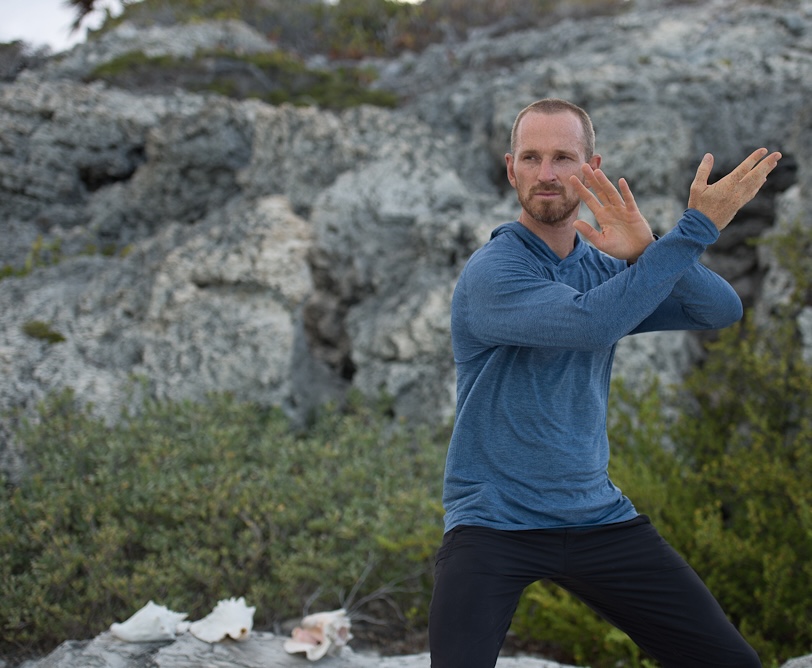
Movement & Adaptation
The body is designed to move, and how it moves matters as much as how it feels. Persistent pain, injury and postural habits all leave their mark on movement patterns, often long after the original problem has resolved.
Treatment considers not just where pain is experienced, but how the body is organising itself around it. Where relevant, movement assessment and rehabilitation form part of the overall approach, supporting recovery that is durable rather than temporary.
Why Recovery Sometimes Stalls

Recovery is rarely linear. When progress plateaus or symptoms keep returning, it is usually a sign that something in the wider system has not yet been addressed.
Common reasons include unresolved fascial restriction, habitual nervous system patterns, or returning to activity before the underlying issue has fully settled.
This is where a structural approach offers something isolated treatments often cannot: a broader view of what the body is doing and why.
READY TO GET STARTED?
Initial consultations are available in East Hampshire. Get in touch to discuss your needs.